
Web3 & DeFi
What Is an Airdrop? How to Claim One and Avoid Scams (2026)
What a crypto airdrop is, the common types, how to take part, and how to avoid airdrop scams.
Last updated: June 2026 · By the bsvar editorial team
"Airdrops" are a common way crypto projects attract users — and a hotspot for scams. Here's what an airdrop is, how to take part, and how to stay safe.
⚠️ Risk warning: Airdrop scams are everywhere. This is an explainer and safety note, not investment advice. See our Disclaimer.
At a glance
What an airdrop is
An airdrop is when a project distributes tokens for free — often to promote a new project or reward early users. It sounds like "free money," but there are both real opportunities and plenty of scams.
Common types
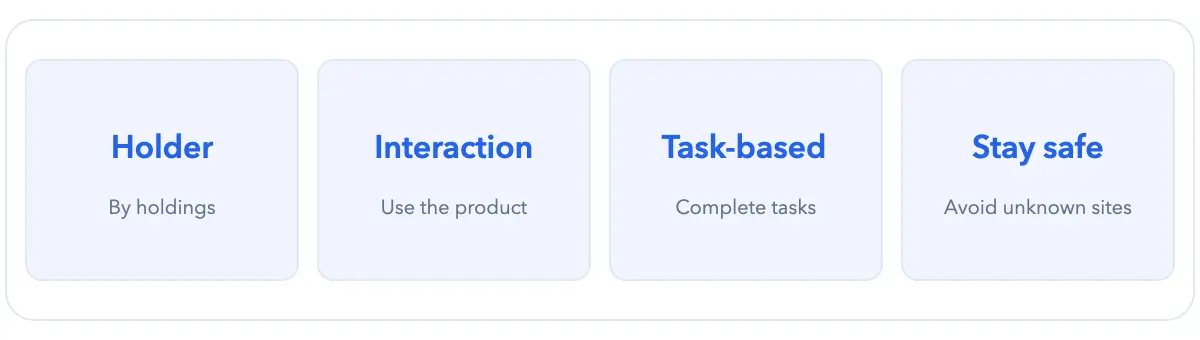
- Holder airdrops — based on how much of a token you hold;
- Interaction airdrops — for having used a product or interacted on-chain;
- Task-based airdrops — for completing tasks (follow, sign up, try a product).
How to take part (the basics)
- You'll usually need a self-custody wallet (e.g. MetaMask, OKX Wallet) — see What Is Web3;
- Confirm the airdrop is real via the project's official channels;
- Use a separate/small account to limit risk.
The key part: avoiding airdrop scams
Airdrops are a phishing magnet. Common tricks:
- Fake airdrop sites that push you to "connect wallet" and approve — then drain your assets. Don't connect or approve on unknown sites;
- Asking for your seed phrase / private key — always a scam;
- "Pay a fee to claim" — almost always fraud.
More patterns: Avoid Crypto Scams.
FAQ
Are airdrops free? Legit ones are free — beware "pay to claim" scams. Is claiming risky? Yes — the biggest risk is connecting to a fake site and approving, which can drain your wallet. Only use official channels.
Next steps
Read the wallet request before claiming
The main risk is often not the claim button but the signature or approval shown by the wallet. A normal login signature should not transfer assets; a token approval can let a contract spend a particular token. Exit if the page requests unlimited approvals without explanation, asks for a recovery phrase, shows unexpectedly high gas, or uses a countdown to force urgency.
Use a wallet separated from long-term holdings, verify the official domain and contract address, and review approvals after claiming. No legitimate support agent needs your recovery phrase to help with an airdrop.
Content is for reference only. See our Advertising & Commission Disclosure.